
Contents
Overview
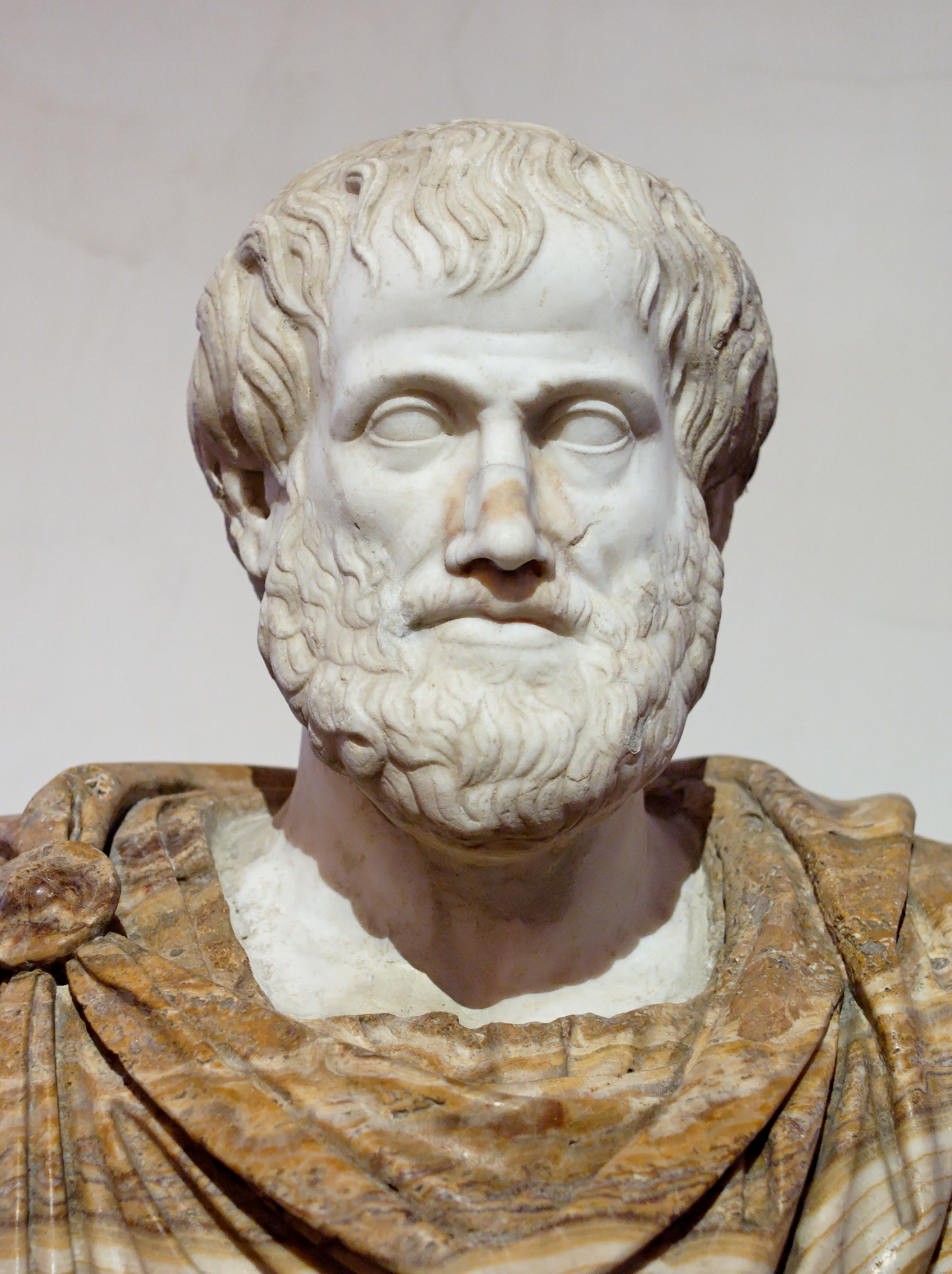
Aristotle was a renowned ancient Greek philosopher and polymath. His vast writings have had a profound impact on the development of modern science. As the founder of the Peripatetic school of philosophy in the Lyceum in Athens, Aristotle's teachings have influenced some of the most prominent thinkers in history. With a career spanning over four decades, Aristotle's work has been widely studied and debated, shaping the Western philosophical tradition. His work has been translated into many languages and remains a cornerstone of intellectual inquiry.
🎵 Origins & History
Aristotle established a library in the Lyceum, which helped him to produce many of his notable works. For instance, his work Historia Animalium demonstrates a deep understanding of the natural world and the importance of observation and classification.
⚙️ How It Works
Aristotle's concept of 'phronesis' (practical wisdom) has been influential in the development of modern moral philosophy. His concept of 'phronesis' has been applied in fields such as business and politics.
📊 Key Facts & Numbers
Aristotle's work has been translated into many languages and remains a cornerstone of intellectual inquiry. The significance of Aristotle's contributions to philosophy and science cannot be overstated, with his ideas continuing to shape contemporary debates and discussions.
👥 Key People & Organizations
The Lyceum, which Aristotle founded, became a hub for intellectual inquiry and debate, attracting scholars from across the ancient world.
🌍 Cultural Impact & Influence
Aristotle's cultural impact extends far beyond the realm of philosophy. His ideas have influenced art, literature, and science, with many notable thinkers and artists drawing on his work.
⚡ Current State & Latest Developments
Today, Aristotle's ideas continue to be relevant and influential. His concept of 'phronesis' provides a framework for making decisions and navigating complex moral dilemmas.
🤔 Controversies & Debates
Despite his significant contributions to philosophy and science, Aristotle's ideas have not been without controversy. Some have criticized his views on women and slavery, which were shaped by the social norms of his time.
🔮 Future Outlook & Predictions
Looking to the future, Aristotle's ideas are likely to continue to shape philosophical and scientific inquiry. His emphasis on reason, observation, and experience provides a framework for understanding the natural world and the human condition.
💡 Practical Applications
Aristotle's ideas have many practical applications in fields such as ethics and science. His work continues to shape contemporary thought and culture.
Key Facts
- Category
- philosophy
- Type
- topic