
Contents
- 📋 Prerequisites & What You Need
- 🔧 Step 1: Choose the Right Shelf Support
- ⚙️ Step 2: Prepare the Wall
- 🎯 Step 3: Mark the Wall for Shelf Support
- ✅ Step 4: Drill Pilot Holes and Install Shelf Support
- 🚀 Step 5: Hang the Shelf
- ⚠️ Common Mistakes & How to Avoid Them
- 💰 Cost & Time Breakdown
- 📊 Expected Results & Metrics
- 💡 Pro Tips & Advanced Techniques
- Frequently Asked Questions
- References
- Related Topics
Overview
This guide will walk you through the process of selecting the appropriate shelf support, preparing the wall, and safely installing the shelf. Whether you're dealing with drywall, concrete, or wood, we'll cover the specifics to ensure your shelf is level and secure. With these steps, you can achieve professional-looking results. By following these instructions, you'll be able to hang a shelf that can hold a significant amount of weight, depending on the type of shelf support used. This guide is perfect for homeowners, renters, and DIY enthusiasts looking to add storage or decorative elements to their space, such as home decor or furniture.
📋 Prerequisites & What You Need
Before you begin, make sure you have the necessary tools and materials, including a drill, level, stud finder, shelf support, screws, and a pencil. The type of shelf support you need will depend on the weight of the shelf and the type of wall you're dealing with. For example, if you're hanging a heavy shelf on a drywall, you may need to use drywall anchors to ensure the shelf support can hold the weight. You can also consider using wall anchors for added security.
🔧 Step 1: Choose the Right Shelf Support
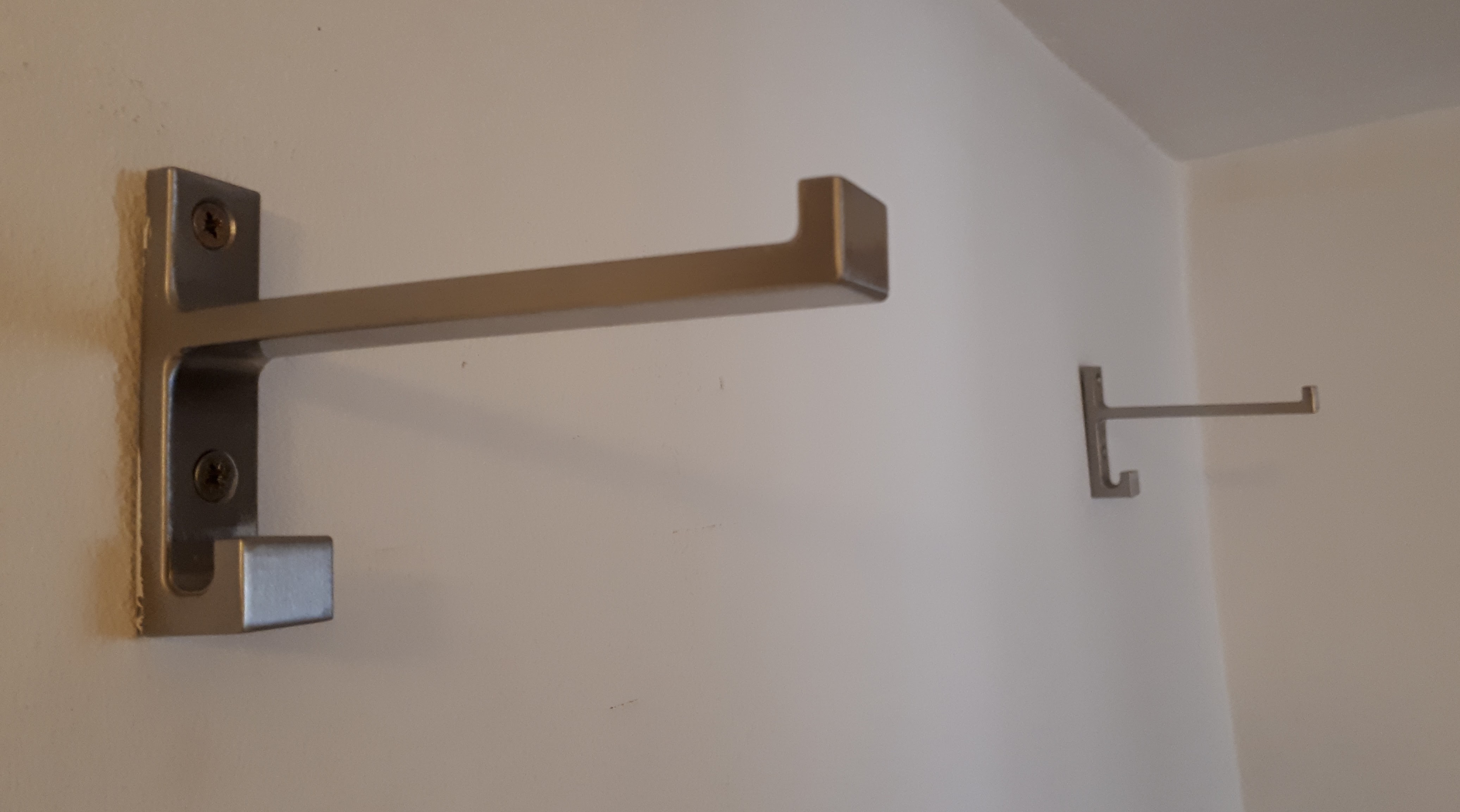
The first step is to choose the right shelf support for your needs. There are several types of shelf supports available, including L-shaped shelf supports, also known as shelf brackets, and plug-in shelf supports. Consider the weight of the shelf, the type of wall, and the desired level of adjustability when making your selection. For instance, if you're looking for a more adjustable option, you may want to consider using adjustable shelf supports. You can also check out online resources, such as Home Depot or Lowe's, for a wide selection of shelf supports.
⚙️ Step 2: Prepare the Wall
Next, prepare the wall by locating the studs using a stud finder. This will help you determine the best placement for the shelf support. If you're dealing with a concrete wall, you may need to use a concrete drill bit to drill pilot holes. Make sure to wear protective gear, including safety glasses and a dust mask, when drilling into concrete. You can also consult with a professional, such as a carpenter or a contractor, for guidance on working with concrete walls.
🎯 Step 3: Mark the Wall for Shelf Support
Use a level to mark the wall where you want to install the shelf support. Make sure the mark is straight and level, as this will ensure the shelf is properly aligned. You can use a laser level to get a precise mark. It's also a good idea to consult with a professional, such as a designer or a contractor, if you're unsure about any part of the process. You can also check out online tutorials, such as those found on YouTube, for additional guidance.
✅ Step 4: Drill Pilot Holes and Install Shelf Support
Drill pilot holes for the shelf support, then screw it into place. Make sure the screws are securely tightened to prevent the shelf from falling. If you're using a plug-in shelf support, simply insert the support into the pre-drilled hole. You can also use wall anchors to provide extra support and ensure the shelf can hold a significant amount of weight. Consider using hidden shelf supports for a sleeker look.
🚀 Step 5: Hang the Shelf
Finally, hang the shelf on the installed shelf support. Make sure the shelf is level and securely attached to the support. You can use shelf liners to add an extra layer of protection and prevent the shelf from slipping. It's also a good idea to consider the decorative possibilities of your shelf, such as adding shelf decor or using colorful shelf liners. You can also check out online resources, such as Home Depot or Wayfair, for a wide selection of shelf decor and liners.
⚠️ Common Mistakes & How to Avoid Them
Common mistakes to avoid include not using the correct type of shelf support for the weight of the shelf, not drilling pilot holes, and not tightening the screws securely. To avoid these mistakes, make sure to follow the manufacturer's instructions for the shelf support and take your time when installing the shelf. You can also consult with a professional or watch online tutorials, such as those found on YouTube, to get a better understanding of the process. Consider checking out online forums, such as Reddit, for additional guidance and advice from experienced DIY enthusiasts.
💰 Cost & Time Breakdown
The cost of hanging a shelf can vary depending on the type of shelf support and materials needed. The time it takes to hang a shelf can also vary. You can use online resources, such as Lowe's or Home Depot, to find the materials and tools you need. Consider checking out online reviews, such as those found on Amazon, to get a better understanding of the products and their quality.
📊 Expected Results & Metrics
With these steps, you can expect to achieve professional-looking results and have a securely installed shelf. The shelf should be level, sturdy, and able to withstand daily use. You can also use this guide as a starting point for more complex shelving projects, such as building a bookshelf or installing kitchen shelves. Consider checking out online tutorials, such as those found on YouTube, for additional guidance and inspiration.
💡 Pro Tips & Advanced Techniques
For advanced techniques, consider using hidden shelf supports or decorative shelf brackets to add a touch of elegance to your space. You can also use 3D printing to create custom shelf supports or decorative elements. With a little creativity and the right tools, you can create a unique and functional shelving system that meets your needs and enhances your space. Consider consulting with a professional, such as a designer or a contractor, to get a better understanding of the possibilities and limitations of your project.
Key Facts
- Year
- 2020
- Origin
- Global
- Category
- guides
- Type
- concept
- Format
- how-to
Frequently Asked Questions
What type of shelf support is best for a heavy shelf?
For a heavy shelf, it's recommended to use a sturdy shelf support, such as an L-shaped shelf bracket or a plug-in shelf support with a high weight capacity. You can also consider using hidden shelf supports for added security and a sleeker look. Make sure to follow the manufacturer's instructions for the specific shelf support you choose. Consider checking out online reviews, such as those found on Amazon, to get a better understanding of the products and their quality.
How do I determine the best placement for the shelf support?
To determine the best placement for the shelf support, use a stud finder to locate the studs in the wall. This will help you ensure the shelf support is securely attached to the wall. You can also consult with a professional, such as a carpenter or a contractor, to get a better understanding of the wall structure and the best placement for the shelf support. Consider checking out online tutorials, such as those found on YouTube, for additional guidance and inspiration.